Luxury tile design in 2026 has moved away from high-shine, high-impact surfaces toward quieter, more tactile, and architecturally integrated materials. The focus has shifted from bold statements to thoughtful, enduring choices that feel substantial and age gracefully.
This year, the strongest directions in premium tile design are driven by a desire for texture, scale, and material honesty. Below are the key trends that are genuinely influencing material selection in high-end residential and commercial projects.
Large-Format Slabs with Minimal Grout Lines
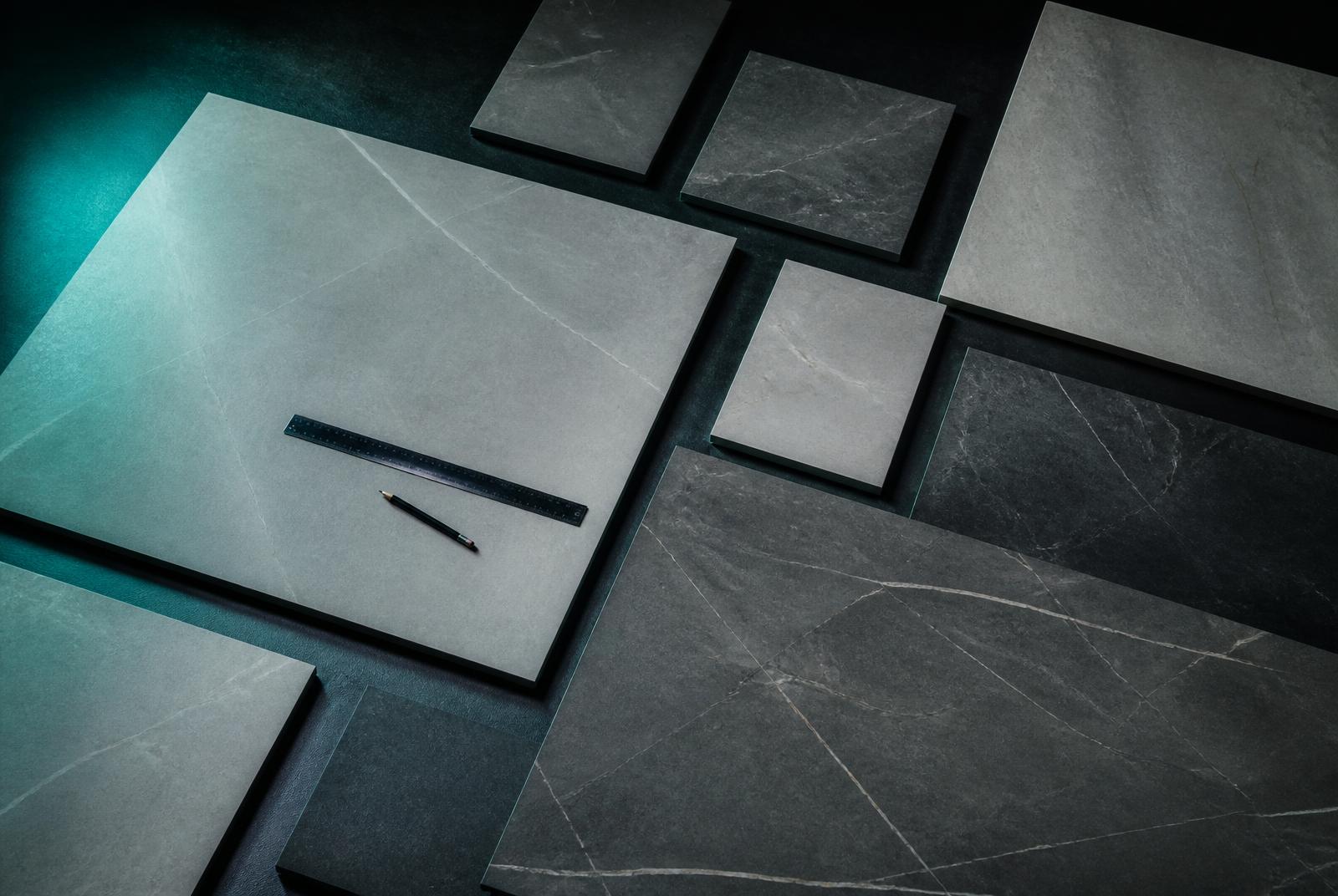
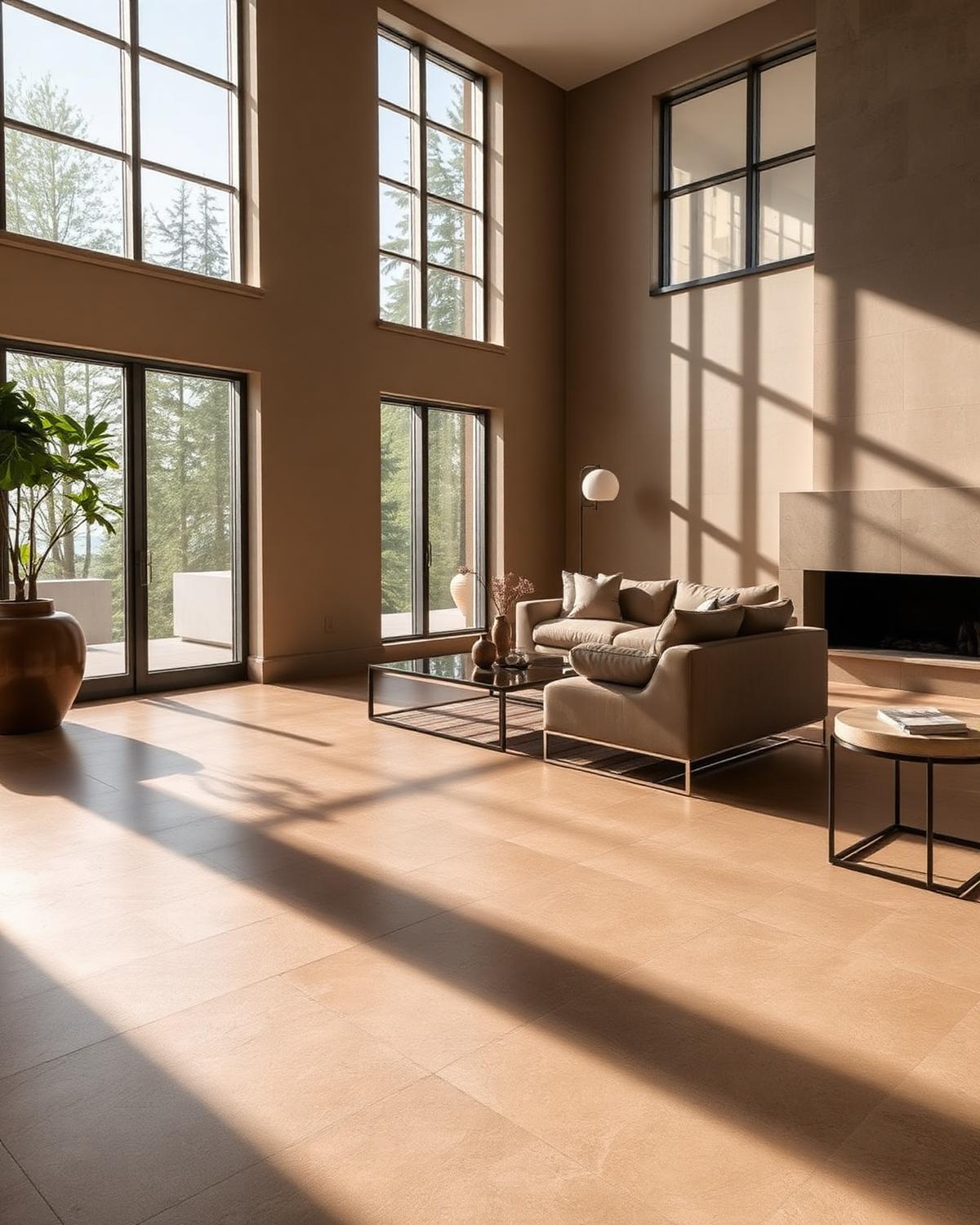
One of the most consistent trends in luxury interiors is the continued preference for large-format tiles and slabs. Sizes such as 800×1600mm, 1200×1800mm, and even larger formats are being widely used in living areas, open kitchens, and premium commercial spaces.
The main appeal lies in the reduced number of grout lines, which creates a cleaner, more expansive visual effect. This approach makes spaces feel larger and more cohesive, especially in open-plan layouts where flooring continues across multiple zones.
However, large-format tiles demand high consistency in manufacturing. Any variation in size or flatness becomes highly visible when grout lines are minimized. This is why quality and dimensional stability have become even more important in this segment.
Rise of Textured and Tactile Surfaces
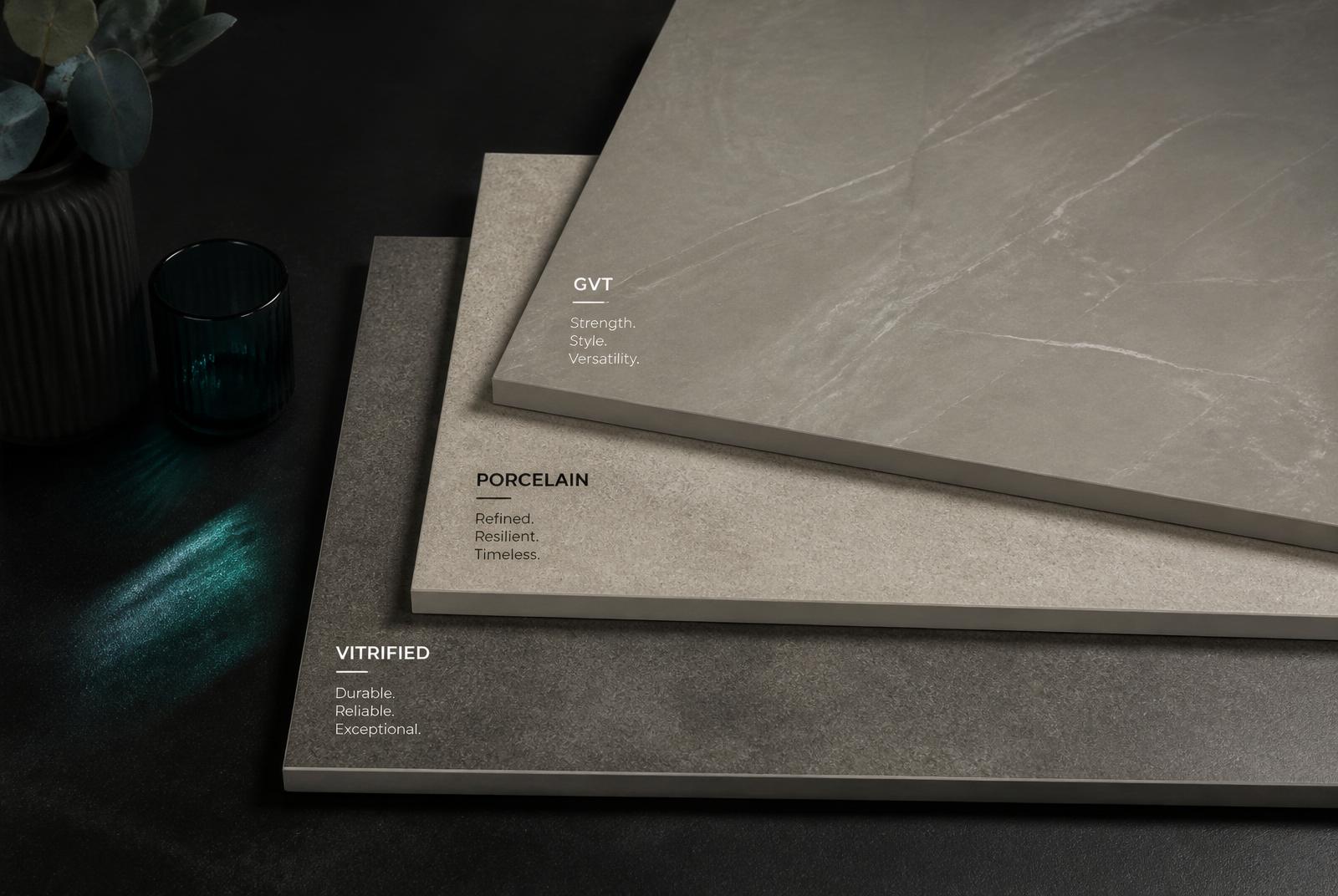
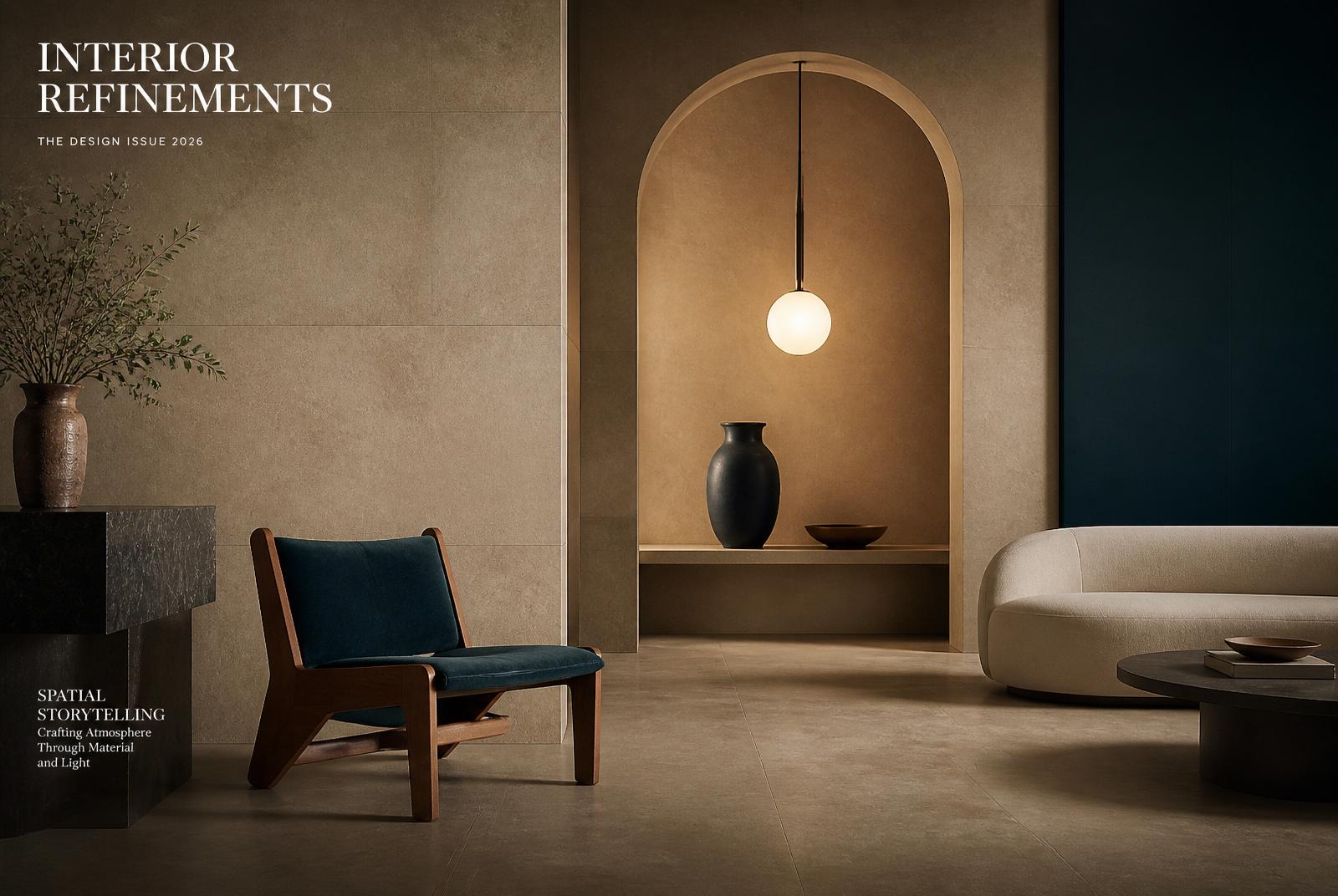
Flat, glossy tiles are gradually losing ground to surfaces with depth and texture. In 2026, there is growing interest in plaster-inspired porcelain, microcement effects, and softly textured stone finishes.
These surfaces bring warmth and character to a space without relying on heavy patterns or dramatic veining. They also tend to hide minor marks and fingerprints better than high-gloss finishes, making them practical for real-world use.
Wood-Effect Large Format Tiles
Wood-look tiles continue to evolve, with the strongest versions now being produced in large formats. Instead of trying to perfectly imitate natural timber, many premium collections now focus on capturing the warmth, movement, and texture of wood while offering the durability and low maintenance of porcelain.
Large-format wood-effect tiles work especially well in open-plan homes where the same flooring runs through living areas, kitchens, and hallways. They provide visual continuity while delivering better performance in high-traffic and moisture-prone zones compared to real wood.
Sensory Wall Cladding
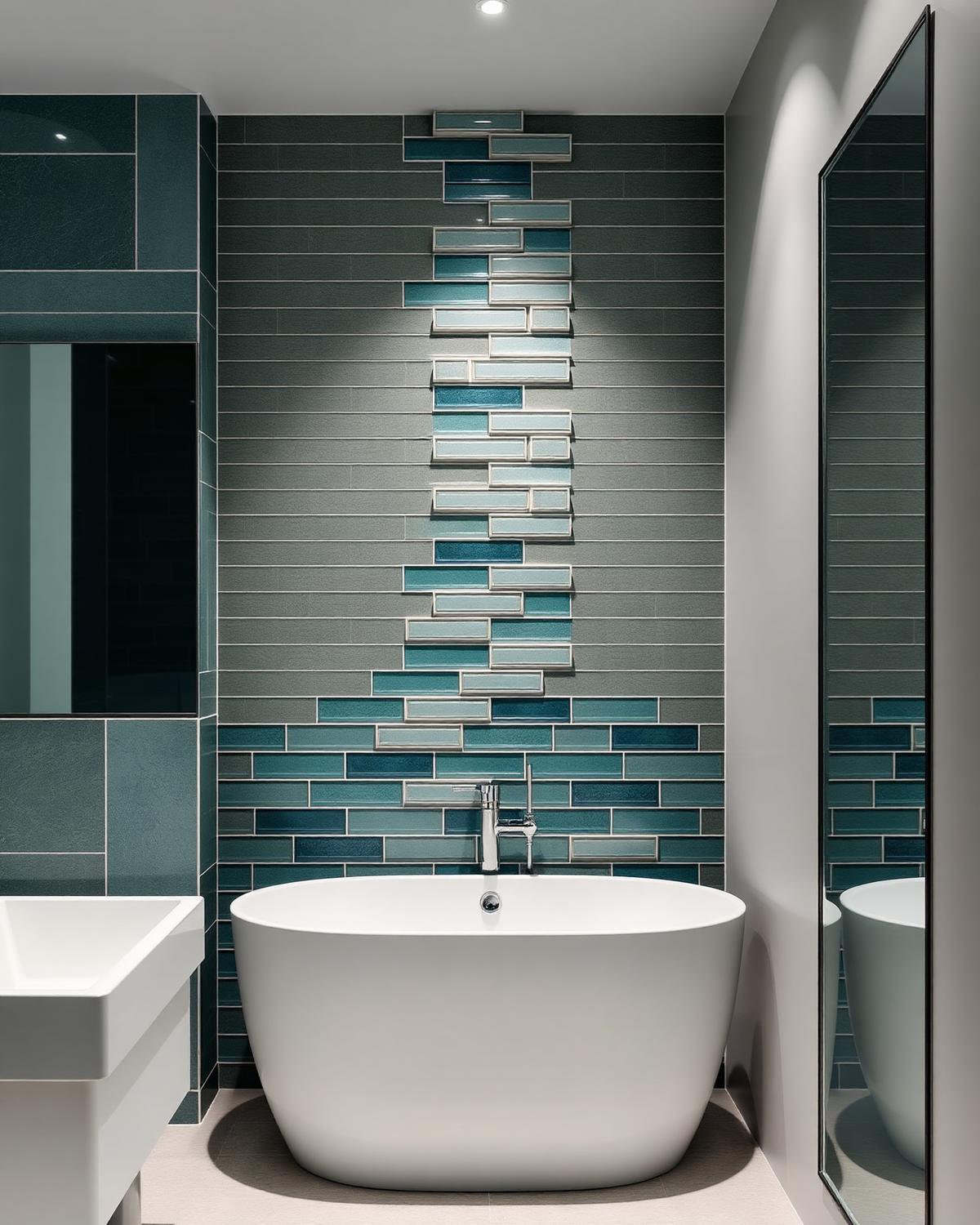
There is increasing interest in using ceramic and porcelain tiles not just on floors but as expressive wall surfaces. Textured wall tiles and large-format cladding panels are being used in bathrooms, feature walls, and even living spaces.
This trend moves ceramic beyond its traditional role as a practical surface and positions it as a material that can engage both sight and touch. It allows designers to create more layered, sensory interiors while maintaining the durability and ease of maintenance that tiles offer.
Why These Trends Matter for Material Selection
These directions are not just about aesthetics. They influence practical decisions around tile selection:
- Large formats require better substrate preparation and higher consistency in tile quality.
- Textured surfaces often perform better in hiding everyday wear compared to glossy finishes.
- Wood-effect tiles in large formats offer a balance between design appeal and functional performance.
- Wall cladding opens up new possibilities for using tiles in creative, non-traditional ways.
Key Takeaways
- Large-format tiles with minimal grout lines remain one of the strongest directions in luxury interiors.
- Textured and plaster-inspired finishes are gaining popularity over flat, glossy surfaces.
- Wood-effect tiles in large formats are becoming more refined and widely used.
- Ceramic and porcelain are increasingly being used for expressive wall cladding.
- These trends emphasize both visual appeal and long-term practicality.
The luxury tile trends of 2026 reflect a broader shift toward materials that feel substantial, perform well over time, and create a more sensory experience. Rather than chasing dramatic effects, many projects are now focusing on quiet quality and thoughtful material choices.
Need Help Choosing the Right Tiles?
Our team helps homeowners, architects and dealers match the right surface to the project — spec sheets, samples, and honest guidance.