Tile size plays a major role in how a room looks and functions. The right size can make a space feel larger, more balanced, and easier to maintain, while the wrong choice can make even a well-designed room feel awkward or cramped.
Many people focus only on color and design when selecting tiles, but the size of the tile is equally important. In this guide, we'll explain how tile size affects different spaces and how to choose the most suitable option for your project.
How Tile Size Affects the Look of a Space
Tile size directly influences the visual perception of a room. Larger tiles create fewer grout lines, which makes a surface appear more continuous and spacious. Smaller tiles, on the other hand, introduce more lines and patterns, which can make a space feel busier or more segmented.
- Large tiles tend to make rooms feel bigger and more modern.
- Smaller tiles work better in compact areas or when you want more visual detail.
- The scale of the room should guide your tile size selection.
Best Tile Sizes for Living Rooms & Open Spaces
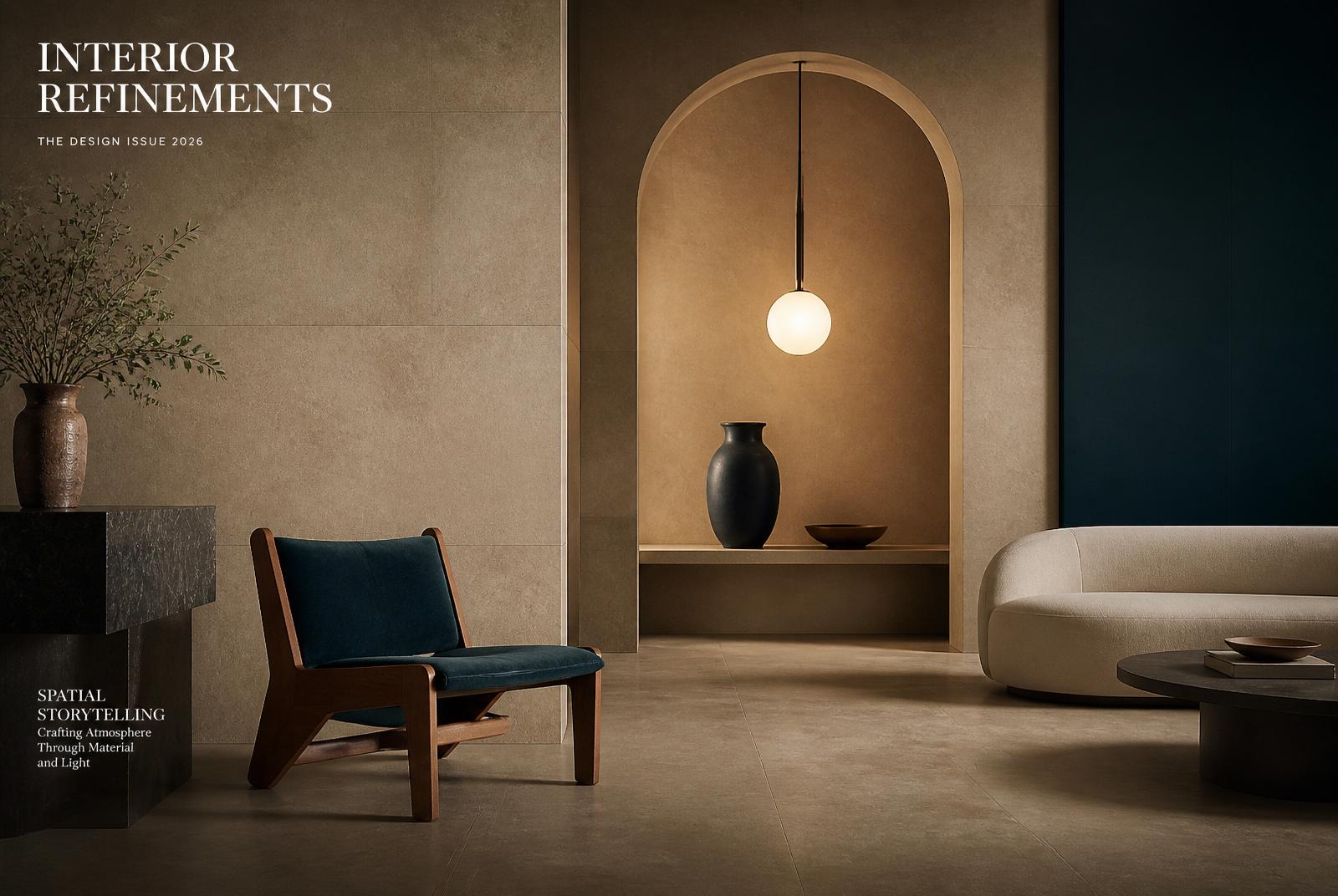
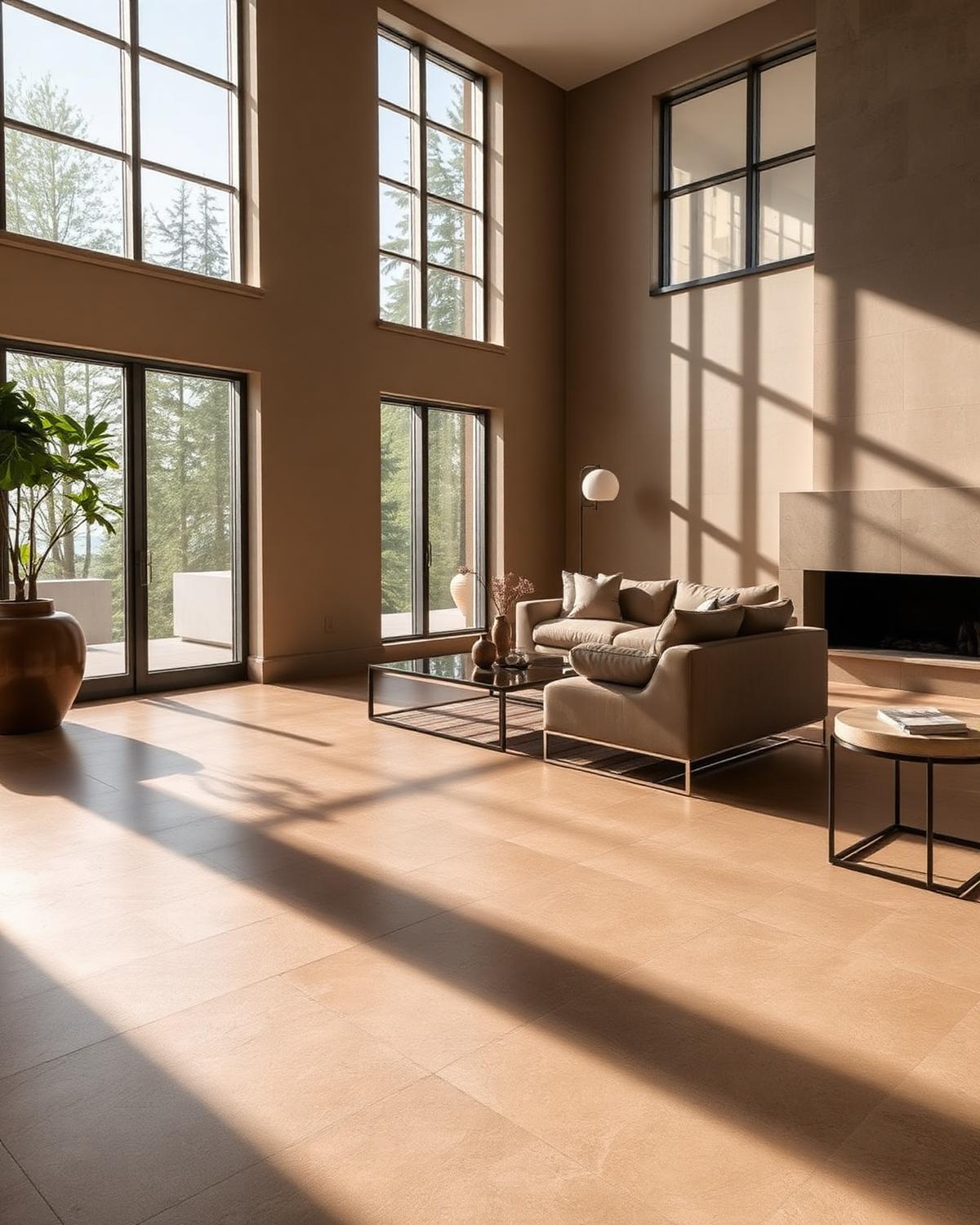
Living rooms and open-plan areas usually benefit from larger tile formats. Tiles in sizes like 600×1200mm, 800×1600mm, or larger create a clean, expansive look with minimal grout lines. This is especially effective in open-plan homes where the flooring continues across multiple zones.
Advantages of larger tiles in living areas: fewer grout lines mean easier cleaning, a clean modern appearance, and a more open and connected feel. However, large-format tiles require a well-prepared, flat substrate for proper installation and are more expensive to install due to handling and cutting requirements.
Best Tile Sizes for Bathrooms
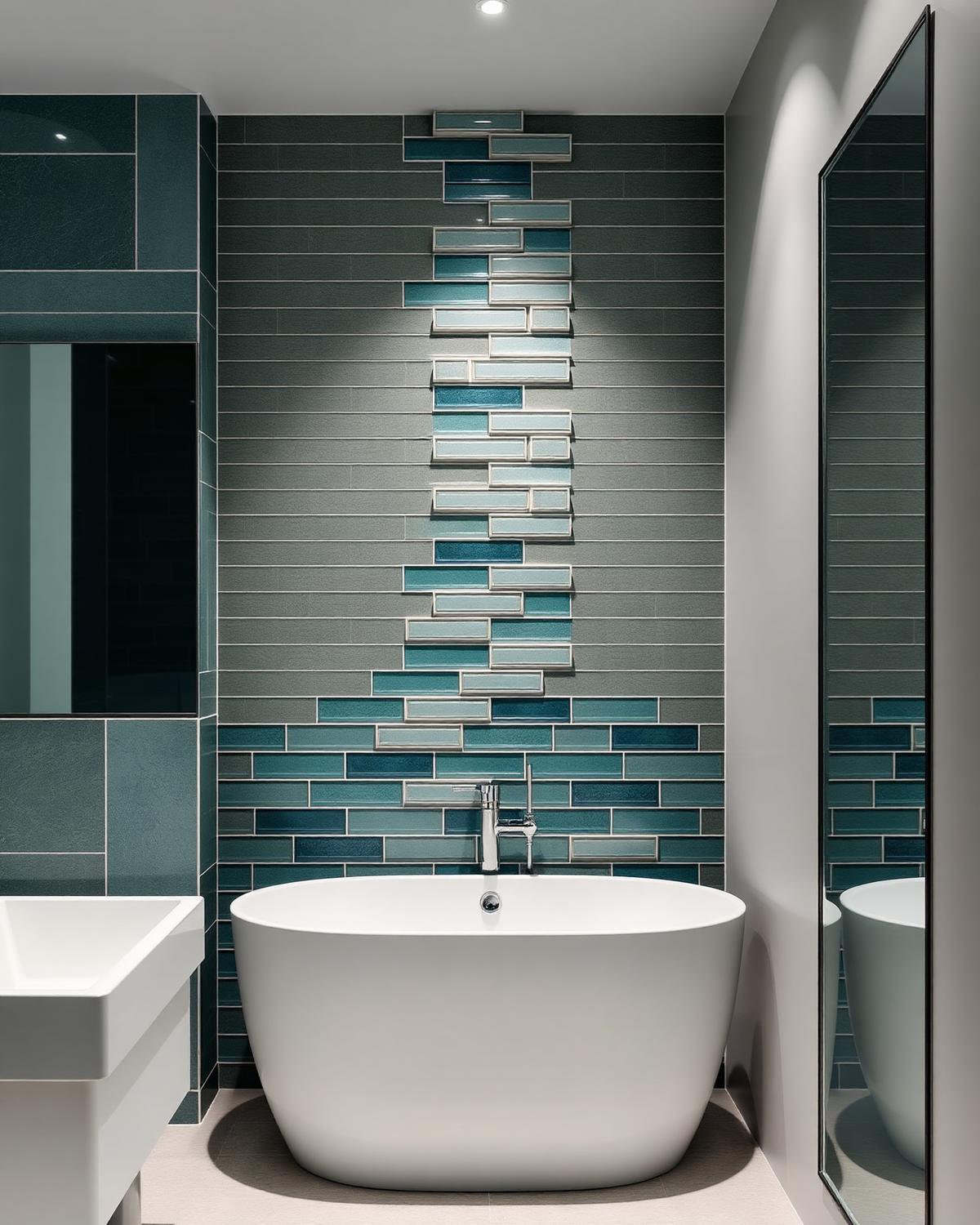
Bathrooms are generally smaller spaces with multiple fixtures, niches, and changes in wall planes. In such areas, moderately sized tiles often work better than very large ones.
Recommended sizes: 300×600mm or 600×600mm tiles are popular choices for bathroom floors and walls. Smaller formats give more flexibility for working around fixtures and creating detailed layouts. Larger tiles can still be used on feature walls or shower areas, provided the layout is planned carefully. Using smaller tiles in bathrooms also helps with slip resistance, as more grout lines provide better grip under wet conditions.
Best Tile Sizes for Kitchens
Kitchens require a balance between aesthetics and practicality. Since kitchens often have heavy foot traffic and are prone to spills, durability and ease of cleaning become important factors.
Larger tiles (such as 600×1200mm) work well in open kitchens and kitchen-living combinations — they reduce grout lines, making cleaning easier. In smaller or more traditional kitchens, 600×600mm or 300×600mm tiles can offer better flexibility. Large-format tiles are increasingly popular in modern kitchens because they create a clean, minimalist look while being practical to maintain.
Large Format vs Smaller Tiles: Pros and Cons
| Factor | Large Format | Smaller Tiles |
|---|---|---|
| Visual Effect | Bigger, cleaner feel | Can feel busier |
| Grout Lines | Fewer | More |
| Maintenance | Easier to clean | More grout to clean |
| Installation | Requires skilled installers | Easier in complex layouts |
| Cost | Higher material & install | Generally more affordable |
| Best For | Large, open spaces | Small rooms, bathrooms, detail work |
Tile Size Considerations for Commercial Spaces
In commercial projects, tile size decisions often depend on traffic levels and maintenance requirements. Larger tiles are commonly used in lobbies, corridors, and open commercial areas because they reduce maintenance and create a premium appearance. However, in areas with complex layouts or heavy equipment movement, smaller or medium-sized tiles may be more practical. Always consider both the visual impact and the functional demands of the space.
Quick Guide: Matching Tile Size to Your Space
| Space Type | Recommended Tile Size | Reason |
|---|---|---|
| Large Living Rooms | 600×1200mm and above | Creates open, seamless look |
| Small Bathrooms | 300×600mm or 600×600mm | Better flexibility around fixtures |
| Open Kitchens | 600×1200mm | Easy maintenance + modern look |
| Compact Rooms | 600×600mm or smaller | Avoids overwhelming the space |
| Commercial Lobbies | Large format | Premium look + low maintenance |
Key Takeaways
- Larger tiles generally make spaces feel bigger and reduce long-term maintenance.
- Smaller tiles offer more flexibility in compact or complex areas like bathrooms.
- Always consider both the visual scale of the room and practical factors like cleaning and installation.
- The right tile size improves both the appearance and functionality of a space.
Choosing the right tile size is not just about trends — it's about matching the tile to the specific needs and proportions of each space. Taking time to evaluate this during the planning stage can significantly improve the final result.
Need Help Choosing the Right Tiles?
Our team helps homeowners, architects and dealers match the right surface to the project — spec sheets, samples, and honest guidance.