The Hidden Cost of Cheap Tiles: Why Quality Matters in the Long Run
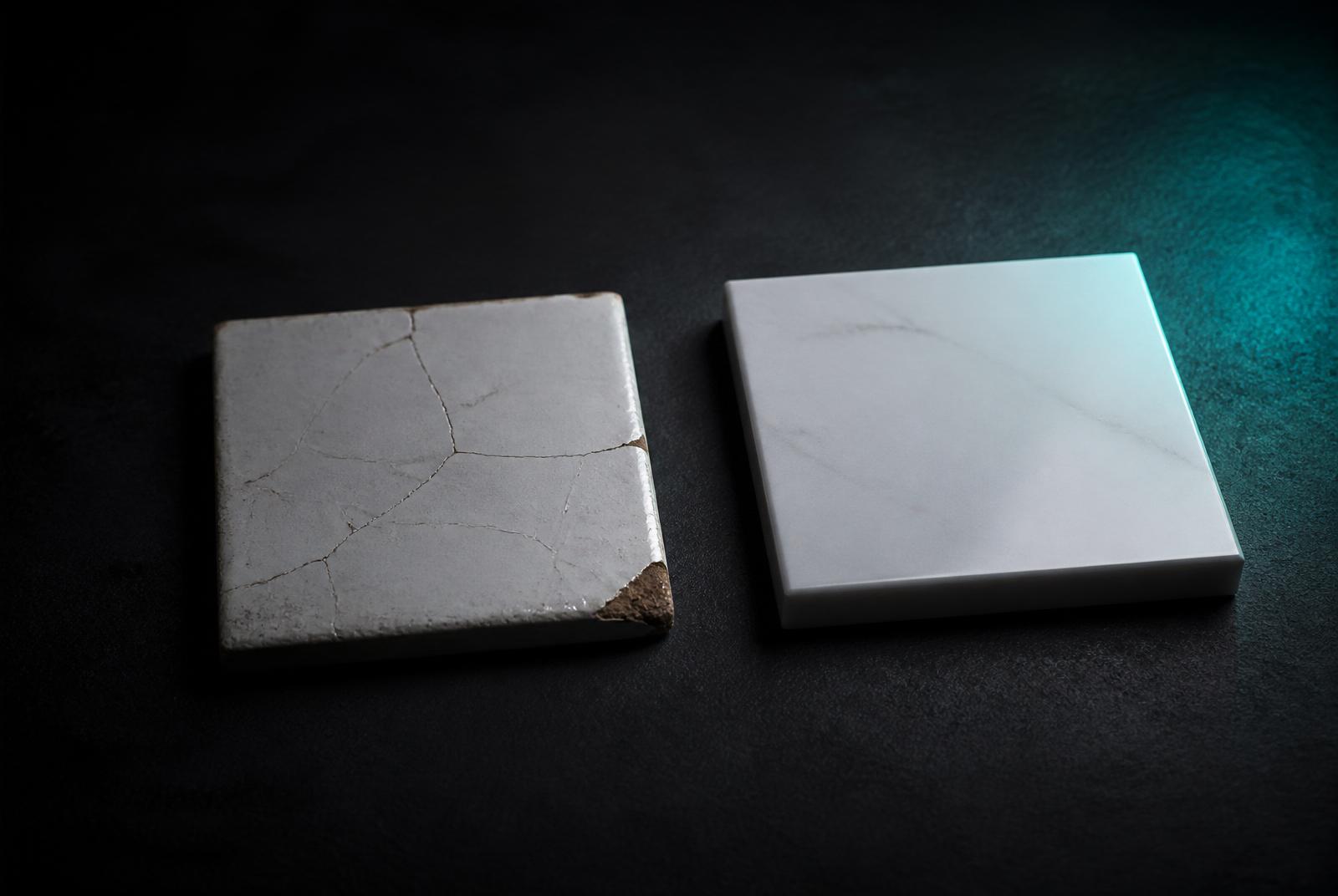
When choosing tiles, many people focus primarily on the price per square foot. While staying within budget is important, going for the cheapest available option can often lead to higher expenses over time. What appears to be a cost-saving decision in the beginning can turn into recurring problems related to maintenance, repairs, and early replacement.
Understanding why some tiles are significantly cheaper than others helps you make a more informed decision — whether you're a homeowner planning a renovation or a professional evaluating suppliers.
What Makes Tiles "Cheap"?
Tile manufacturers reduce costs in several ways. Some common cost-cutting measures include:
- Using lower-grade raw materials
- Reducing firing time or temperature during production
- Skipping strict quality control processes
- Using thinner bodies or lower-quality glazes
While these measures lower the initial price, they usually compromise the long-term performance of the tile. In many cases, the savings at the time of purchase are offset by problems that appear within a few years.
Key Quality Factors That Often Get Compromised
Water Absorption
This refers to how much water a tile can absorb. Tiles with higher water absorption are more porous, making them prone to staining, moisture damage, and reduced strength over time. Premium tiles are manufactured to very low absorption levels — some as low as 0.03% — which significantly improves durability and stain resistance.
Warpage
Warpage occurs when tiles are not perfectly flat. Even slight warpage can create major installation issues, especially with large-format tiles. It often leads to uneven surfaces and visible lippage (where tile edges don't align properly).
Shade Variation
Inconsistent color between boxes or even within the same box is a common problem with lower-quality tiles. This can ruin the appearance of a floor or wall, particularly in large spaces where uniformity matters.
Common Problems with Low-Quality Tiles
- Cracking and Chipping: Due to lower density and poor firing, cheap tiles are more likely to crack under normal use or during installation.
- Staining and Discoloration: High water absorption allows liquids and dirt to penetrate the surface, causing permanent stains.
- Mold and Moisture Issues: In wet areas like bathrooms and kitchens, porous tiles can absorb moisture and promote mold growth.
- Inconsistent Batches: Different production batches may vary in color, size, or finish, making it difficult to match tiles during repairs or future expansions.
- Higher Maintenance Costs: Frequent cleaning, sealing, or early replacement adds to the total cost of ownership.
How to Check Tile Quality Before Buying
- Ask for Technical Data Sheets: Reputable manufacturers provide detailed specifications, including water absorption rate, PEI rating (for floor tiles), and warpage tolerance.
- Check the PEI Rating: This rating indicates a tile's resistance to wear and abrasion. Higher ratings are better for high-traffic areas.
- Examine Physical Samples: Always request samples and check them under different lighting conditions. Look for flatness, consistent color, and surface finish.
- Understand Water Absorption: Lower water absorption (ideally below 0.5%) indicates better quality and durability.
- Consider the Manufacturer's Standards: Established manufacturers with strict quality control processes deliver more consistent products across large orders.
Why Water Absorption Rate Matters
Water absorption is one of the most important indicators of tile performance. Tiles with low absorption are denser and less likely to absorb moisture, stains, or bacteria. This is especially important in wet areas, commercial spaces, and regions with high humidity.
Long-Term Cost Comparison
While cheap tiles have a lower upfront cost, the total cost over 5–10 years can be significantly higher due to:
- Frequent repairs and replacements
- Higher cleaning and maintenance expenses
- Potential damage to underlying structures from moisture
- Reduced property value due to poor flooring condition
In many cases, investing in better-quality tiles from the beginning results in lower overall costs and fewer headaches.
Key Takeaways
- Very cheap tiles often compromise on critical factors like water absorption, flatness, and color consistency.
- Problems such as cracking, staining, and inconsistent batches usually appear within a few years.
- Always review technical specifications and request samples before making a large purchase.
- Low water absorption (such as 0.03%) is a strong indicator of long-term durability and low maintenance.
- The true cost of tiles includes not just the purchase price but also maintenance and replacement expenses over time.
Choosing tiles based only on the lowest price can be an expensive mistake in the long run. Taking the time to understand quality parameters helps you select products that offer better performance and value.
Need Help Choosing the Right Tiles?
Our team helps homeowners, architects and dealers match the right surface to the project — spec sheets, samples, and honest guidance.